AG-Innova

The laboratory that accelerates your projects

Rapid screening, reliable data, tailored innovation. All in a single experimental ecosystem.

Laboratory screening 

From formulation to validation: a complete and personalized service

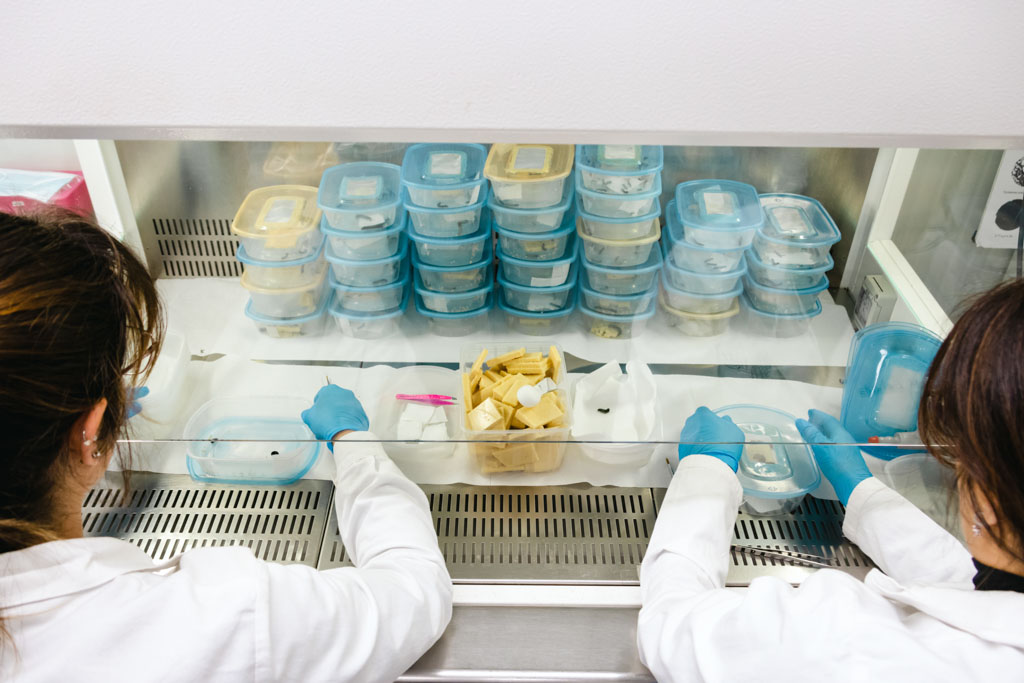
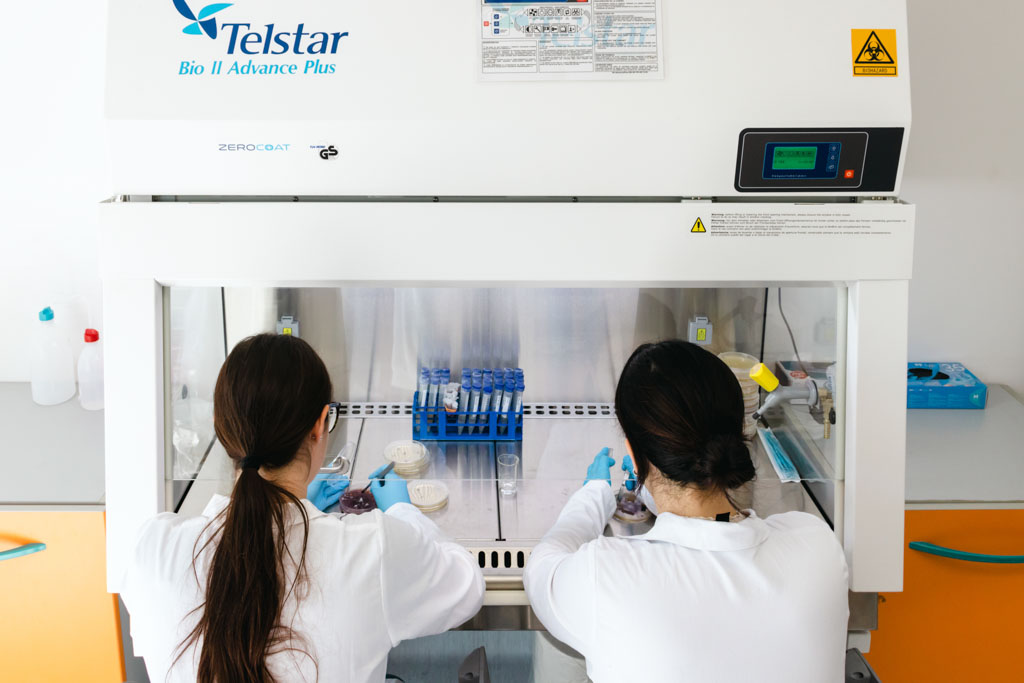
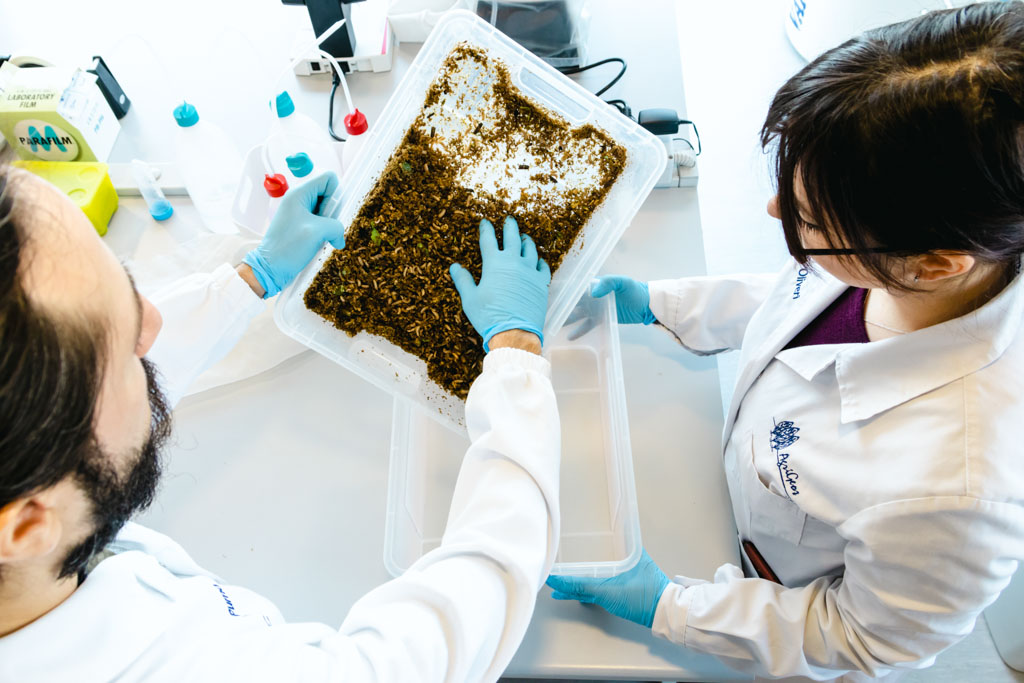
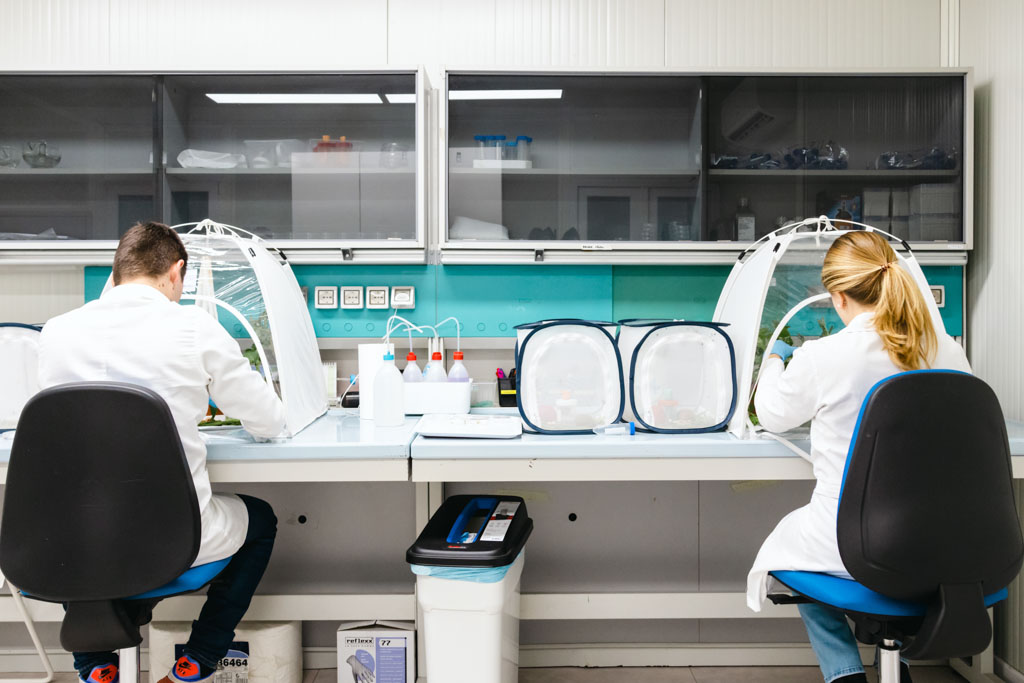
For many of our projects we provide Our in-house laboratory. This is where we do it applied innovation, With analysis, test e Research. 

Having an internal laboratory allows you to: shorten the time, increase control and guarantee the result, have a more complete and personalized service, From the choice of the initial formulation/dosage to the field testing phases.

Guarantee of results

By operating under controlled conditions, with artificial inoculants and with healthy, untreated plant material, we guarantee reliable results while minimizing external (biotic and abiotic) variables.

Resource optimization

With more initial data on product, dose, and application times, field trials can be better set up, saving resources in terms of time and budget.

Efficiency all year round

Maximum flexibility because the tests can be programmed all year round.

Entomology and parasitology

Insects and pests for Agriculture

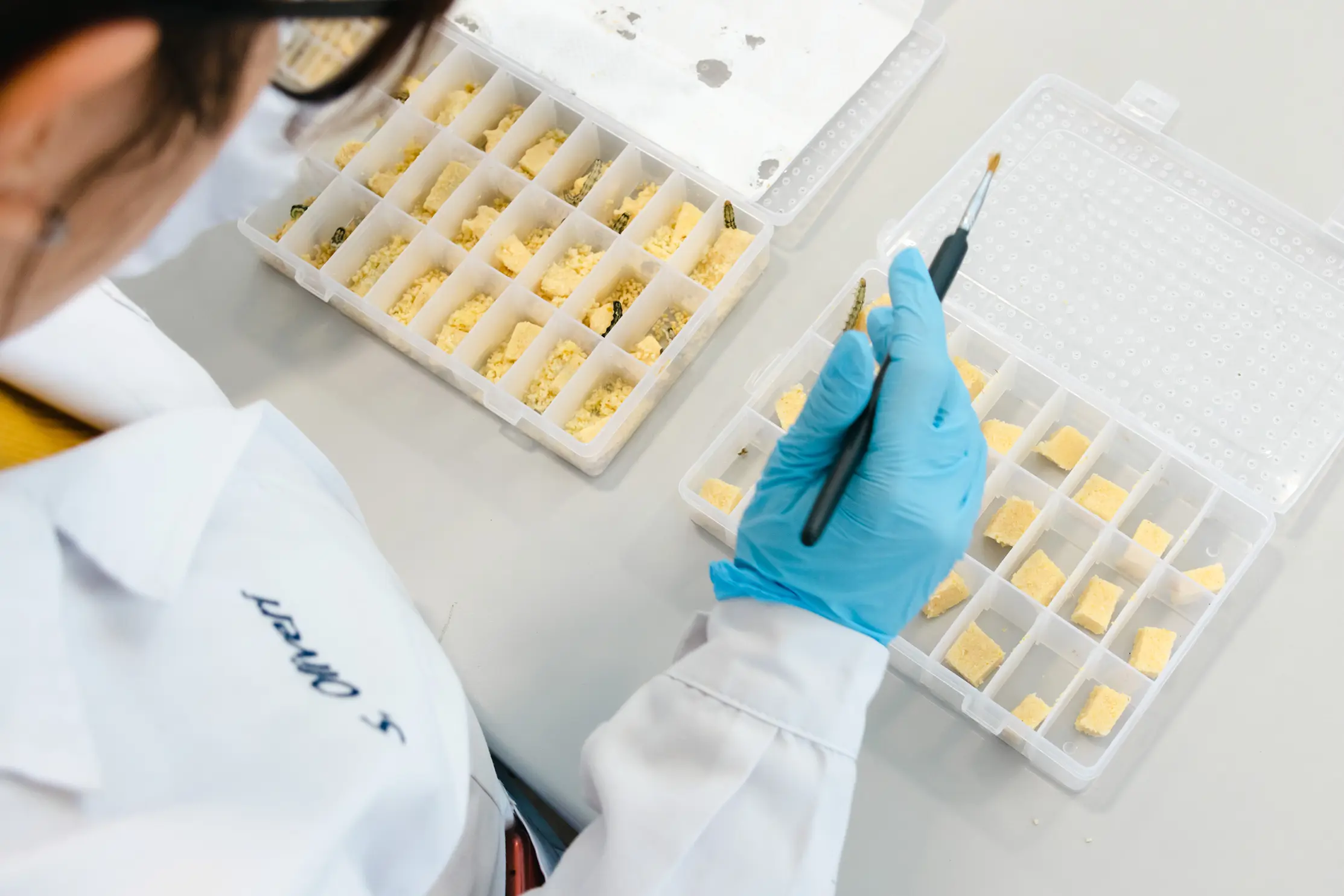
We conduct experimentation and research on insect herbivores and pests, entomophages and pollinators, to reliably perform testing effectiveness, biocontrol e selectivity.  

Phytophagous insects develop at the expense of plant organisms and can cause serious damage to agricultural crops.
Our work focuses on on the most harmful species, which we breed and study in optimal conditions. 

Our farms:
Spodoptera littoralis

Spodoptera littoralis

Cotton nightgown
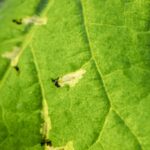
Absolute tolerance (sensitive and resistant populations)

Absolute tolerance (sensitive and resistant populations)

Tomato tignola
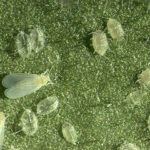
Bemisia tabaci (sensitive and resistant populations)

Bemisia tabaci (sensitive and resistant populations)

White Moscow tobacco
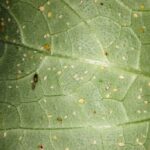
Aphis gossypii

Aphis gossypii

Cotton and cucurbitaceous aphids
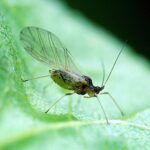
Myzus persicae (sensitive and resistant populations)

Myzus persicae (sensitive and resistant populations)

Green peach aphid
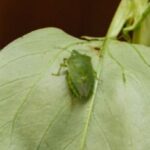
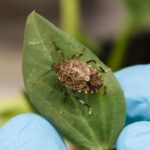
Nezara viridula

Nezara viridula

Green cockroach

Other available farms:
Halyomorpha halys

Halyomorpha halys

Asian cockroach

Helicoverpa armigera

Helicoverpa armigera

Yellow tomato blotch
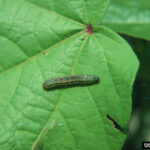
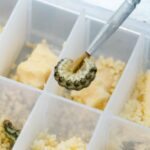
Spodoptera exigua

Spodoptera exigua

Little nightingale

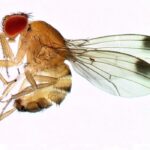
Drosophila suzukii

Drosophila suzukii

Moscerino of the small fruits
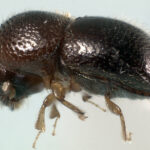
Xylosandrus compactus

Xylosandrus compactus

Scolitides of #the laurel and carob
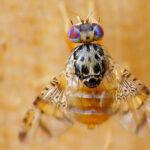
Ceratitis capitata

Ceratitis capitata

Mediterranean Moscow of fruit
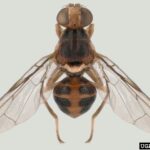
Bactrocera oleae

Bactrocera oleae

Olive #Grove

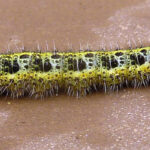
Pieris brassicae

Pieris brassicae

Senior Cavolaia

Others on request

Others on request

Get in touch

Possible proofs: Effectivity tests, Knock-down tests, Persistence, Semi-field, Mixing test, Resistance, Choice test.

They are organisms that can infest food storage warehouses and urban and domestic environments. 

Some examples:
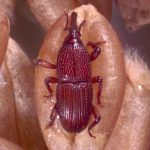
Sitophilus spp.

Sitophilus spp.

Cereal trough

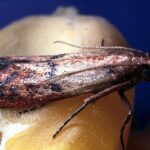
Plodia interpunctella

Plodia interpunctella

Tignola's fortified products
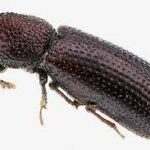
Rhyzopertha dominica

Rhyzopertha dominica

Cereal cappuccino
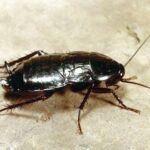
Blatta orientalis

Blatta orientalis

Oriental cockroach

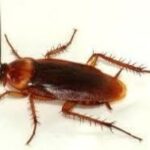
Periplanta americana

Periplanta americana

American cockroach
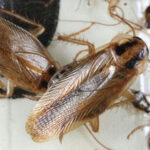
Blattella germanica

Blattella germanica

German cockroach

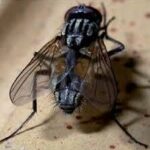
Housefly

Housefly

Domestic Moscow

Others on request

Others on request

Get in touch

Possible proofs: Effectivity tests, Knock-down tests, Persistence, Mixing test, Resistance, Choice test, Biocidal Test

Beneficial organisms involved in biological control and pollination.
Given the growing importance of protecting biodiversity, we perform selectivity tests on:

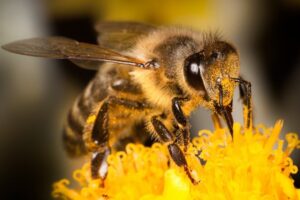
Pollinators

(Fire, Bombi, etc.)

Entomophages

(Predators and Parasites)

Possible proofsSelectivity, Choice tests, Side effects (Evaluation of the effects of sublethal doses of a substance on the biology of a non-target organism)

Non-target insects used for scientific purposes.

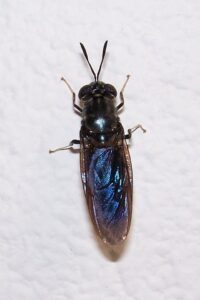
Hermetia illucens

(Moscow soldier)
Used in the FIT-BASS project, for the production of protein meals intended for aquaculture.

We also perform tests on other organisms, in addition to insects, such as:

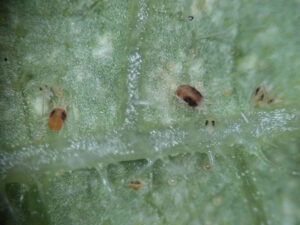
Phytophagous mites

(e.g. Tetranichids and Eriophytes)

Arachnid parasites of plants that feed by sucking the plant sap

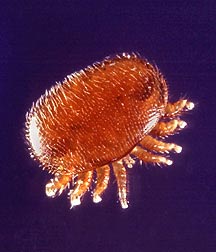
Varroa destructor

Ectoparasite of honeybees

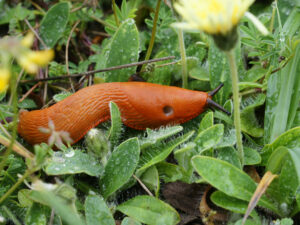
Snails and Limacidae

Molluscs that cause significant damage in gardens and lawns.

Phytopathology and diagnostics

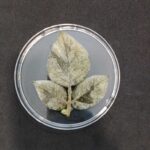
Plant diseases

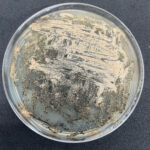
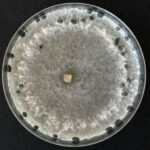
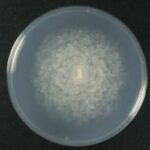
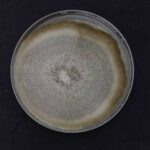
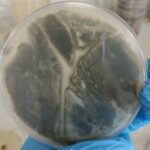
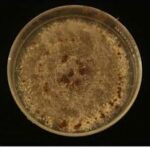
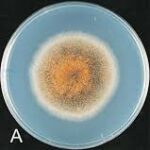
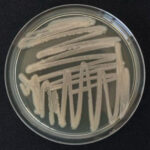
Collection of fungal and plant pathogenic bacteria that we use to test plant protection products in the laboratory, in the field, and as an artificial inoculum source in the field. 

Thanks to these certified strains, we can perform reliable, repeatable and controlled evidence, ensuring a uniform distribution of the pathogen for scientifically valid results.

Pathogens
Phytophthora infestans

Phytophthora infestans

Potato and tomato peronosporosis
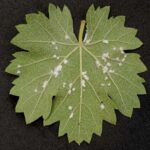
Plasmopara viticola

Plasmopara viticola

Grape vine peronospora
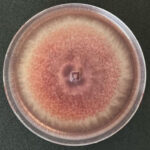
Fusarium spp.

Fusarium spp.

Fusariosi

Septoria tritici

Septoria tritici

Septoriosis of wheat
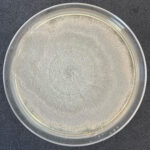
Penicillium spp.

Penicillium spp.

Gray/green mold

Sclerotinia sclerotiorum

Sclerotinia sclerotiorum

White marciume
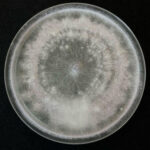
Botrytis cinerea

Botrytis cinerea

Gray mold

Pythium spp.

Pythium spp.

Radical marciume caused by Pythium
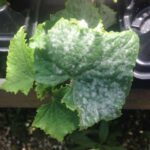
Podosphaera spp.

Podosphaera spp.

Oidio

Alternaria spp.

Alternaria spp.

Alternarians

Verticillium dahliae

Verticillium dahliae

Verticillosis

Rhizoctonia spp.

Rhizoctonia spp.

Rizottoniosi

Colletotrichum spp.

Colletotrichum spp.

Anthracnose

Others on request

Others on request

Get in touch
Bacteria

Possible proofs in vitro and in I live: Efficacy, Persistence, Mixing test, Resistance, Degradation/Washout test.

Xanthomonas euvesicatoria

Xanthomonas euvesicatoria

Pseudomonas siringae pv tomato
Pseudomonas siringae pv tomato

Nematological Laboratory

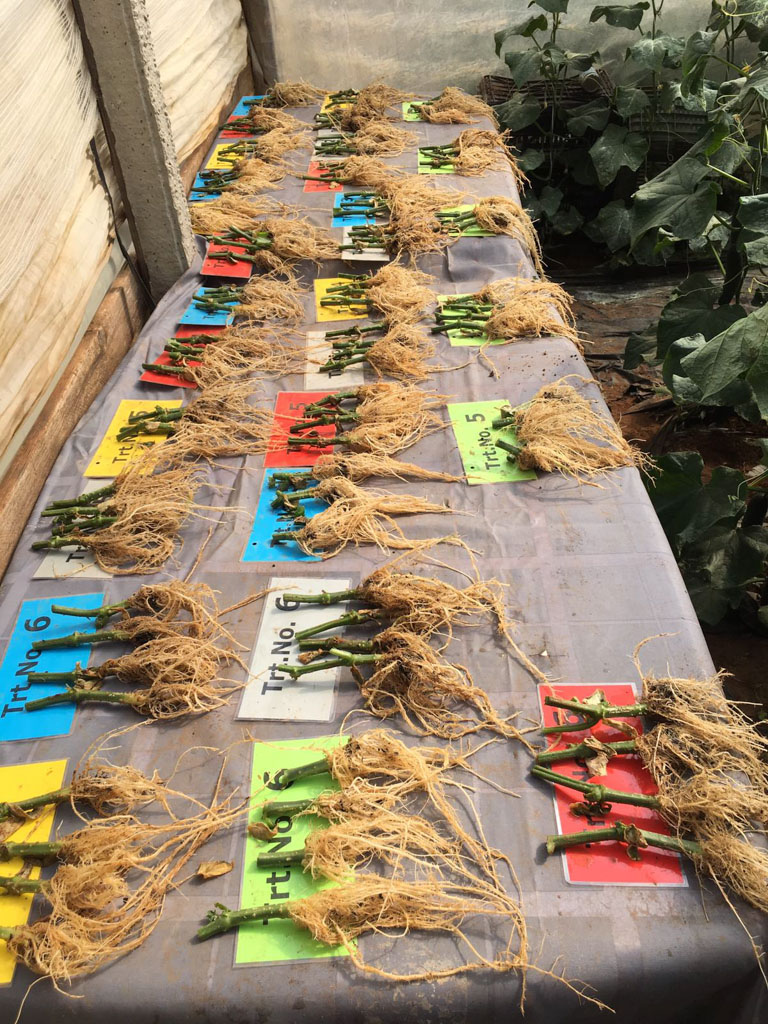
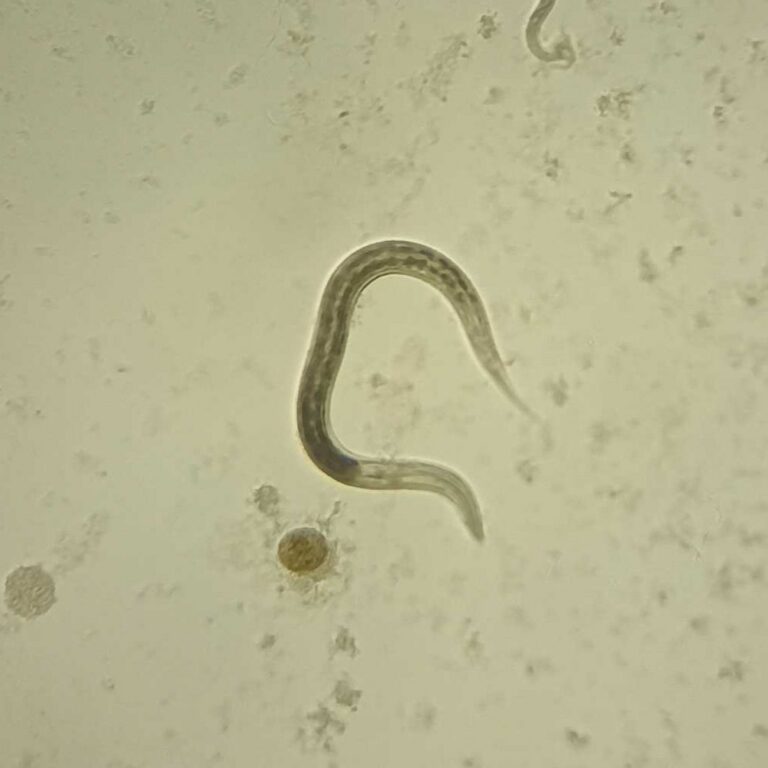
Nematodes: soil parasites

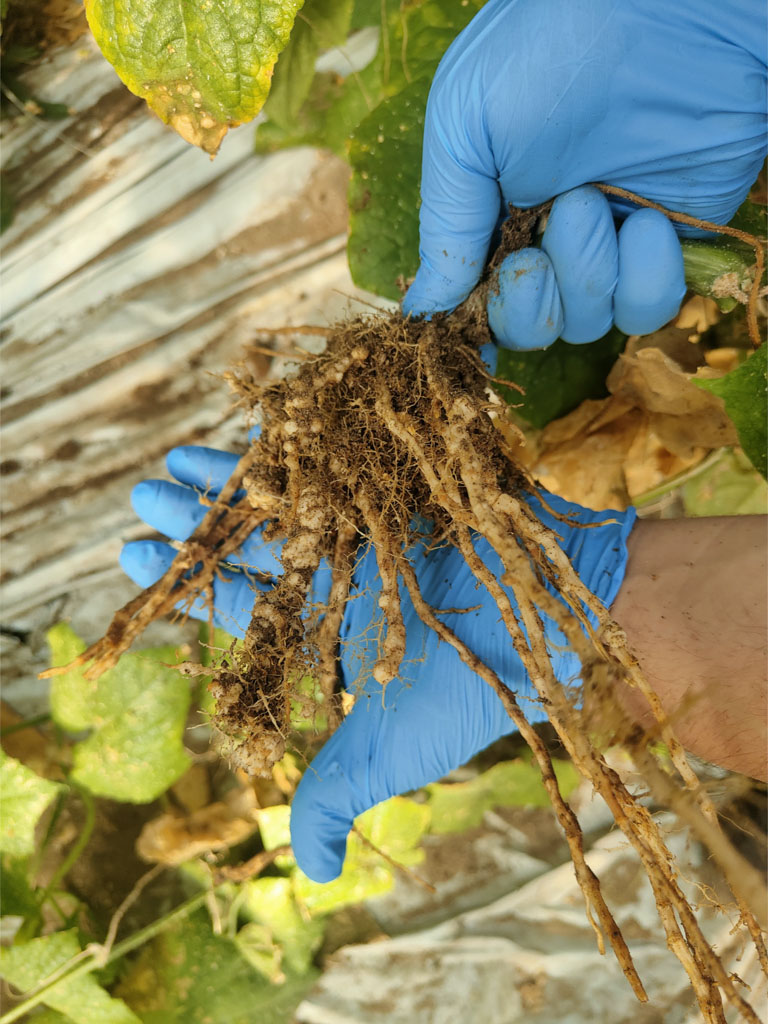
Nematological laboratory specialized in the breeding of nematodes for execution Targeted tests in vitro and in half-field. We simulate real or fully controlled conditions and evaluate the effectiveness of the products against these conditions with precision. phytopathogenic nematodes. Furthermore, in support of the tests, we are able to quantify the nematic charge present in a soil sample.

Possible proofs: Effectivity tests, Knock-down tests, Persistence, Semi-field, Mixing test.

Phenotyping system

It measures the behavior of plants in real time

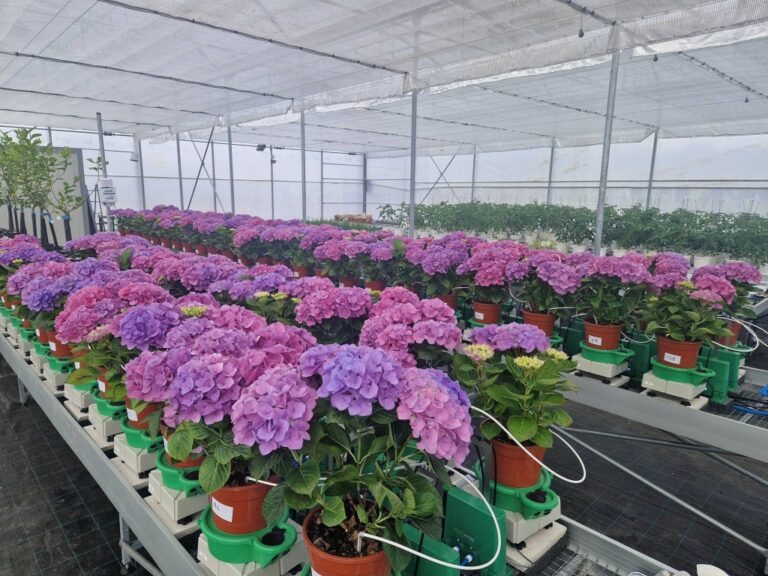
Agrigeos is the first center in Italy with 144 active units

PlantArray® It is a phenotyping system that allows us to analyze how plants respond to various environmental factors, including biotic and abiotic stresses (terrestrial pathogens, nematodes, drought, salinity, etc.), as well as to the application of fertilizers, biostimulants or agrochemicals.

Thanks to gravimetric measurements and precision sensors, PlantArray® provides accurate data in a rapid time on Growth, transpiration, stomach conductance, efficiency of water use of the plants.

The main advantages:

  • Rapid and high-resolution screening: continuous and simultaneous monitoring of numerous plants, with reproducible and non-invasive data.
  • Real-time analysis: Through the SPAC Analytics software, it is possible to customize the treatments and interpret the physiological responses during the course of the experiment.

Do you want to develop your product using one of these services?

Contact us to design a customized screening together
or to request a specific test for insects, pathogens or nematodes.