
Studies & Tests
Scientific data for concrete decisions
GEP studies, greenhouse studies, GLP studies, studies on biostimulants and fertilizers, laboratory screening: discover our operational part.
GEP studies
The heart of our work: efficacy and selectivity
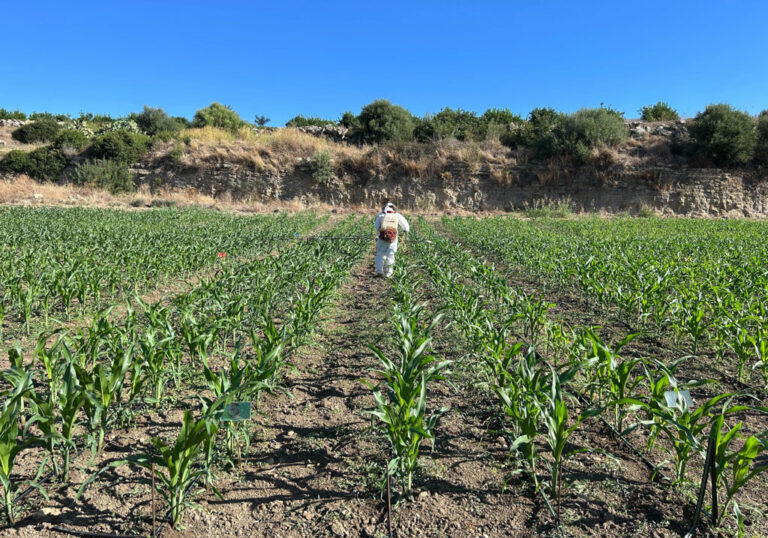
Through the recording studies conducted in GEP (Experimental Good Practices) are tested in the field to assess their effectiveness against pests, weeds or diseases, and their selectivity towards crops. Thus, they obtain valid data to be submitted in Registration requests.
In Agrigento, efficacy and selectivity studies (GEP) are at the heart of the activity: we test Herbicides, fungicides, insecticides, Nematodes e PGR, with defined protocols on the field e post collection. We offer specific evidence on shelf-life, Beneficial insects, Resistance to flushing, Triangular tests e sowing seeds, for reliable and tailored scientific results.
View our certificate of compliance with good practice for conducting field tests
Post collection
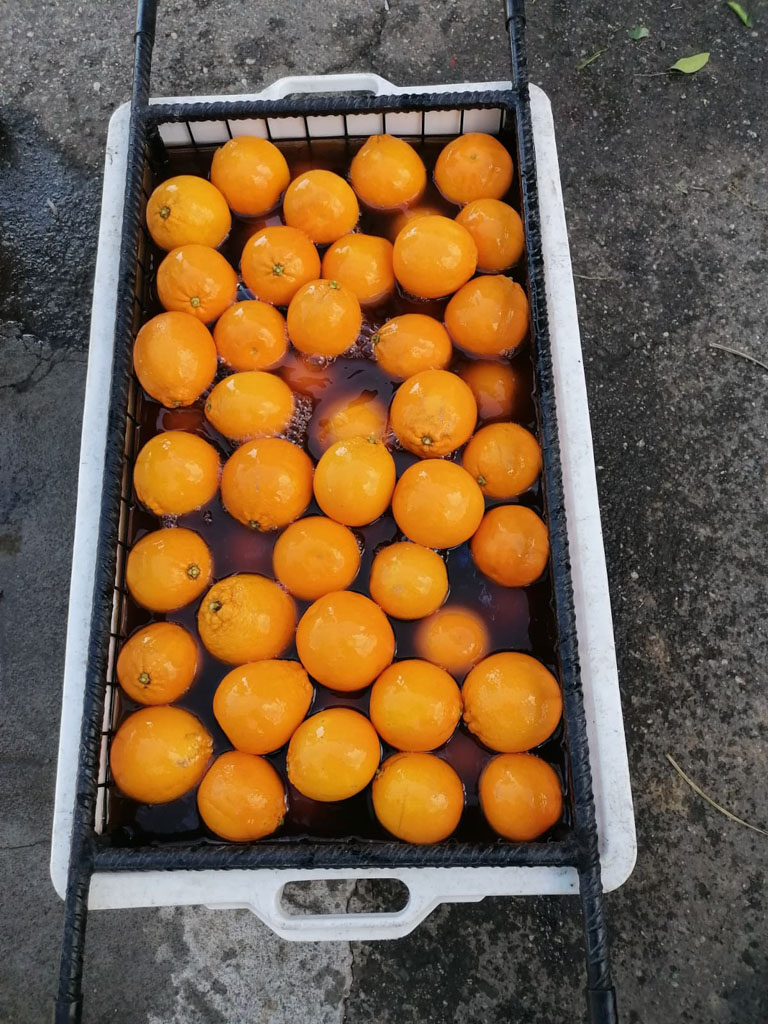
Tests on fruits treated with the dip or drench method, even directly in the processing warehouses. Evaluation of the shelf-life of fruits, vegetables and IV-grade products.
Non-target organisms and beneficial insects
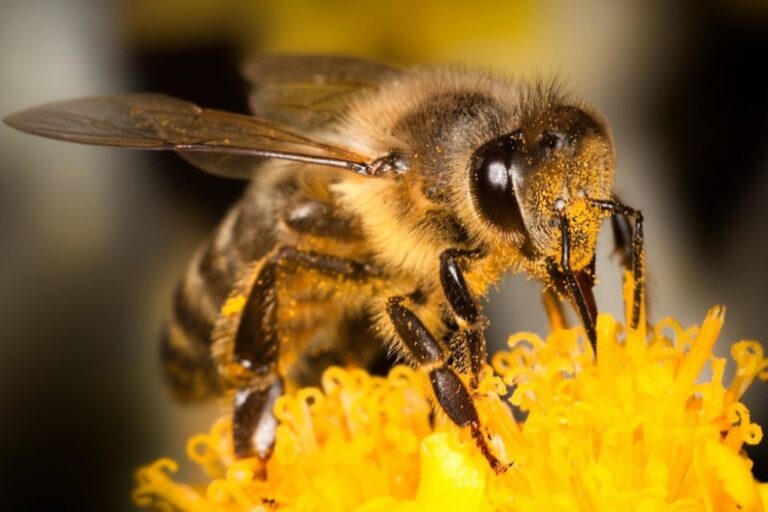
Selectivity tests to verify that the products do not harm predators, parasites and pollinators
Studies in greenhouse
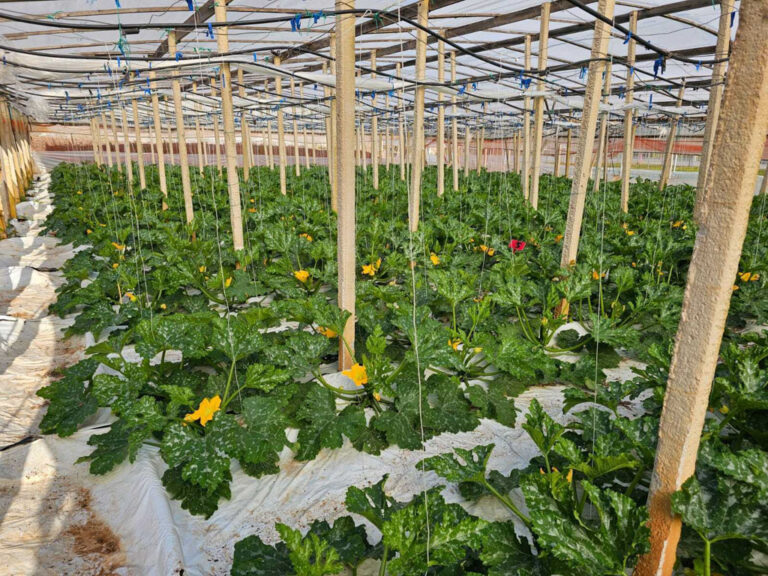
Studies in greenhouses allow us to test the effectiveness of a product on protected crops, simulating agricultural practice. Mainly, these crops belong to this category. ornamental plants e Floriculture.
At our headquarters of Acate, In the heart of the Sicilian production area, we can conduct Evidence on critical targets such as nematodes, On insects and fungal diseases. In recent years, thanks to the network of farmers with whom we collaborate, we can also conduct tests on biostimulants and fertilizers.
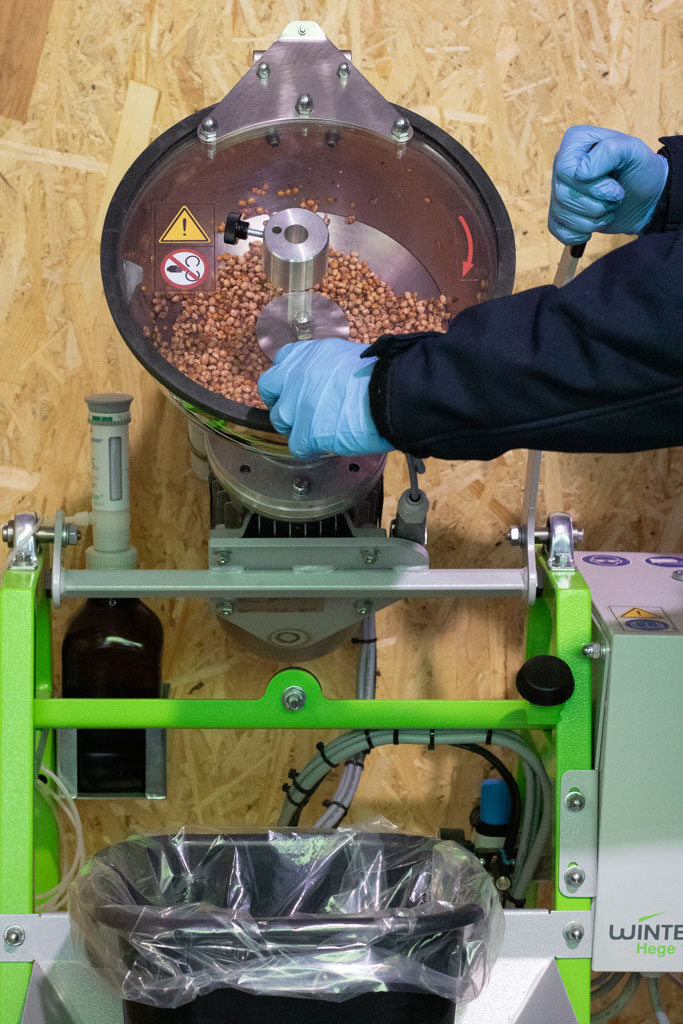
Conical seeds
Application of liquid or powdered tanning products directly onto the seeds to test the effectiveness of biostimulants, fungicides and insecticides.
Other studies
Resistance and Sensibility
Studies on resistance and sensory properties help companies understand how their products behave under certain conditions of use.
These studies help improve formulations and offer reliable and sensory-consistent products.
Resistance to washing out (Rain fastness)
Studies on the leaching of products through rain simulation, to assess water resistance.
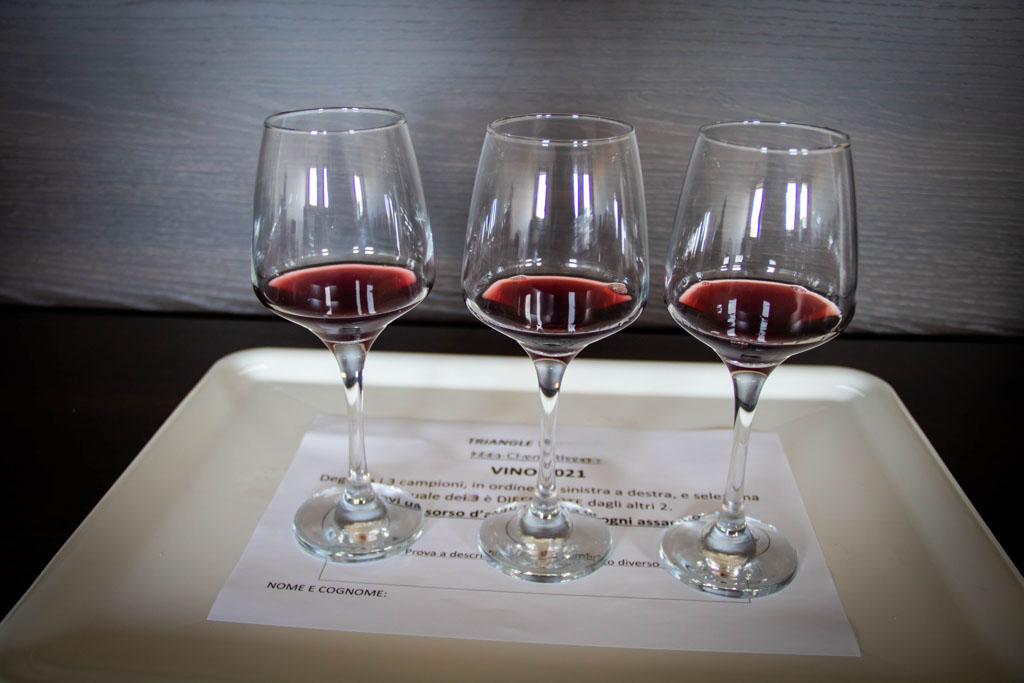
Triangular tests (Taint triangle test)
Sensorial tests on fresh and processed fruits (such as sauces, wines or juices) to detect any changes in taste or smell, following the EPPO PP 1/242 guideline (2) Taint tests
Discover how we can accelerate your projects
GLP studies
Residues under control, according to the regulations
With the GLP studies (Good Laboratory Practices) It is possible to evaluate the residues that a product leaves on plants, fruits and processed products, according to Strict protocols recognized at European level. They are essential for obtaining the authorization for the marketing of the product. Phytosanitary products and useful for indicating the shortage times on the label.
We are accredited by the Ministry of Health to conduct residue studies on various matrices. For companies, this means have certified and valid data for registration.
View our certificate of compliance with the principles of good laboratory practice
Residues on pollen, nectar and honey
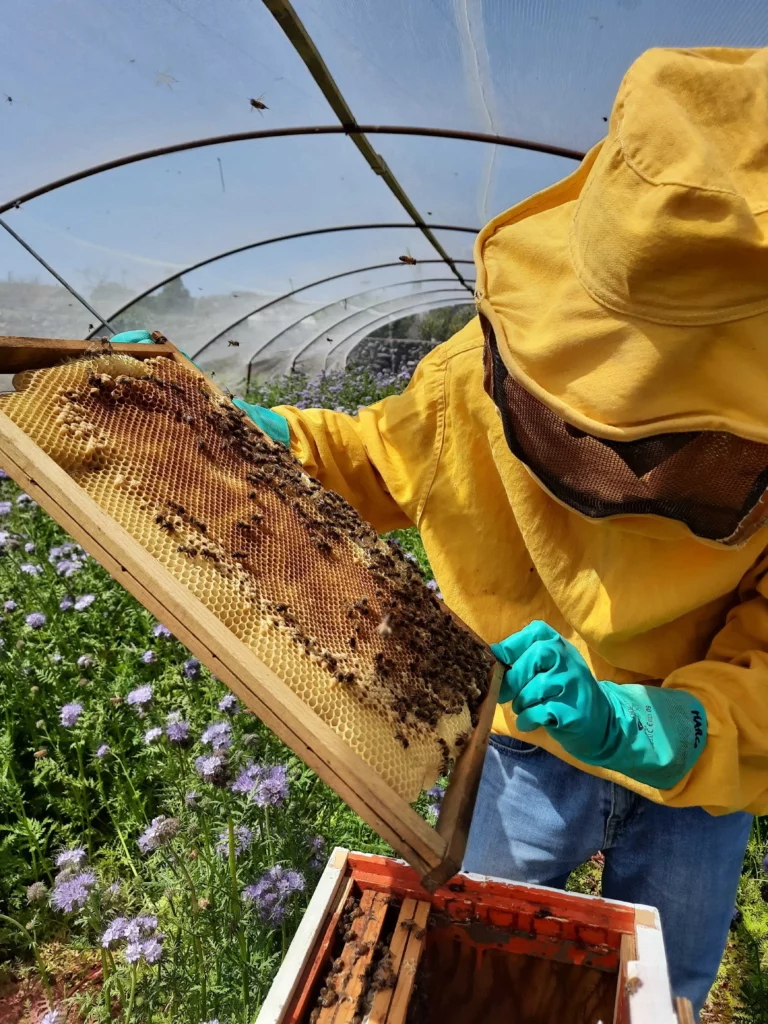
Field phase for the determination of residues in pollen, nectar and honey (sampling and evaluations carried out also thanks to our internal bee breeding facilities).
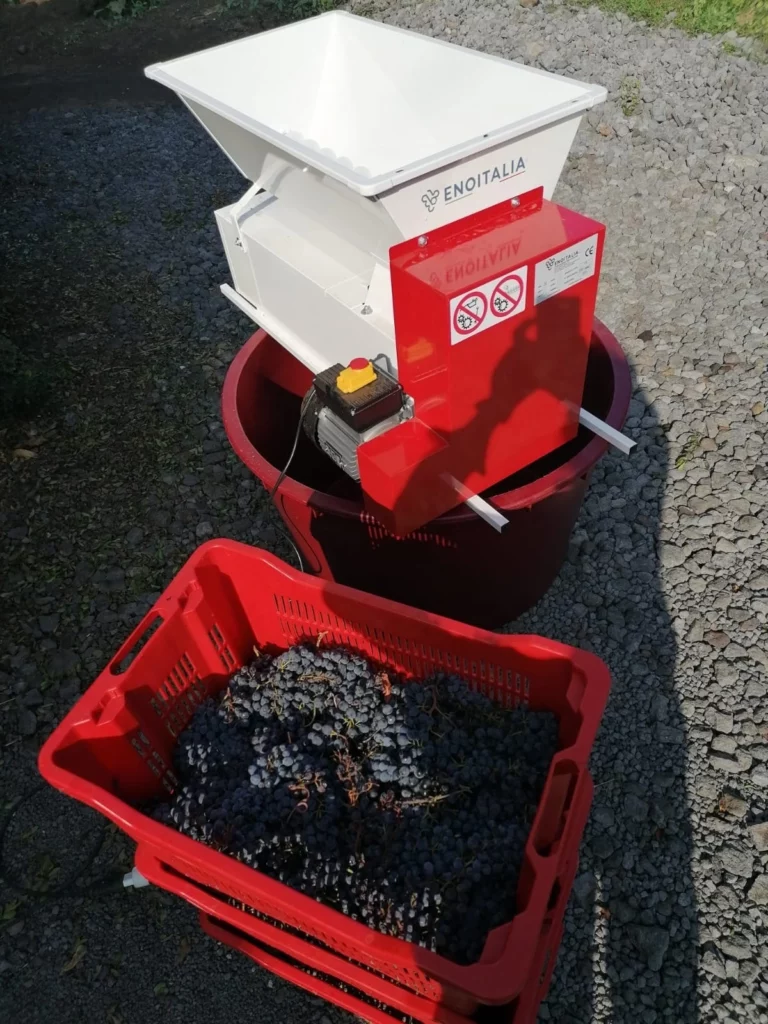
Residues in processed products
Field and processing phase for evaluating the effects of industrial processing and/or home preparation on the nature and extent of residues. (Analysis on oil, wine, juices, jams and other derived products, processed directly in our processing laboratory).
Residues on powders
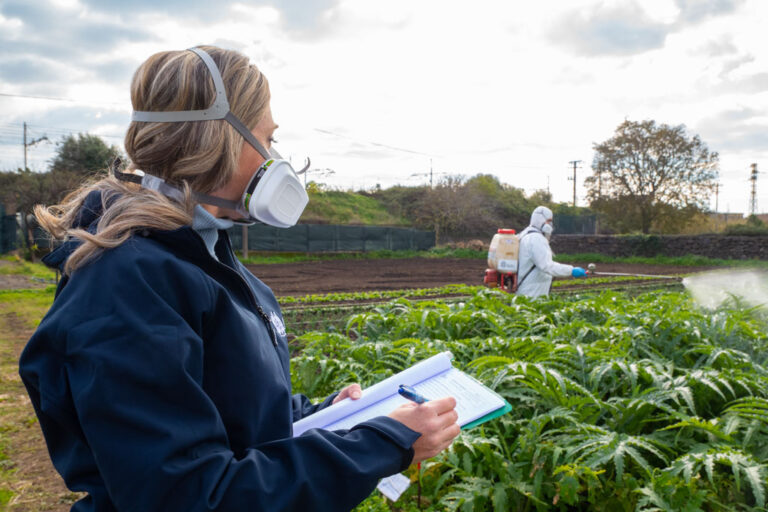
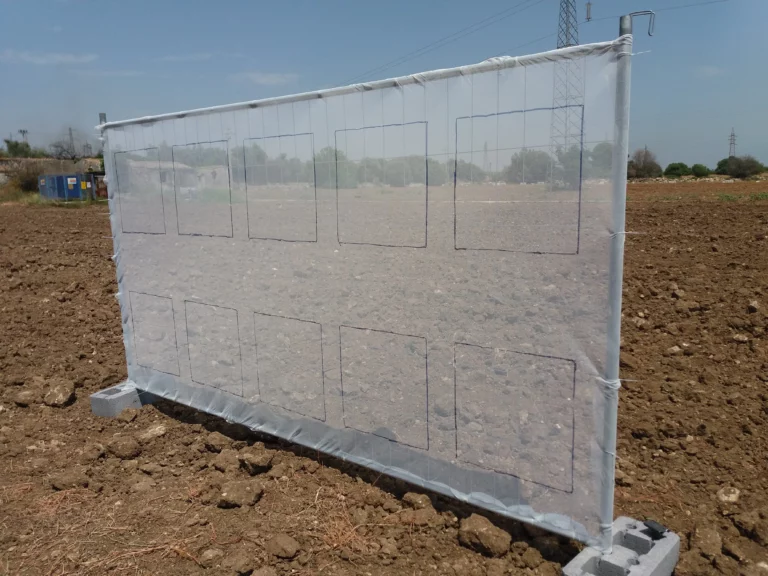
Field phase of the collection of dust produced during agricultural activities using sheets and plates to simulate the dispersion of dust contaminated by plant protection products.
DFR – Dislocable Leaf Residue
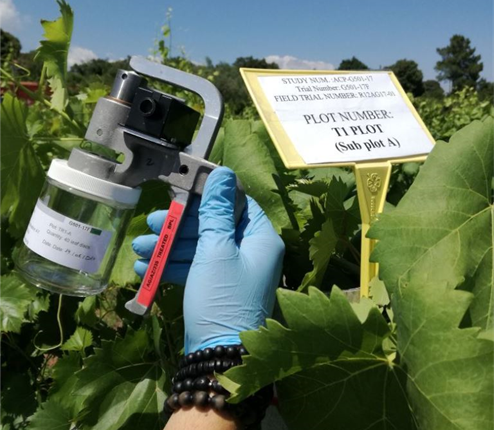
Field phase and sampling of residues removed from the leaves through washing in saline solutions that simulate human sweat for the determination of the time to return to the field after the application of plant protection products.
Resistance to rain (Rain fastness)
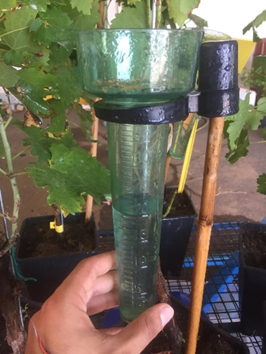
Field phase of a study on resistance to leaching of crop protection products through the simulation of rainfall events using rain simulator simulators.
Studies on Biostimulants and Fertilizers
We value growth and efficiency and response to stress
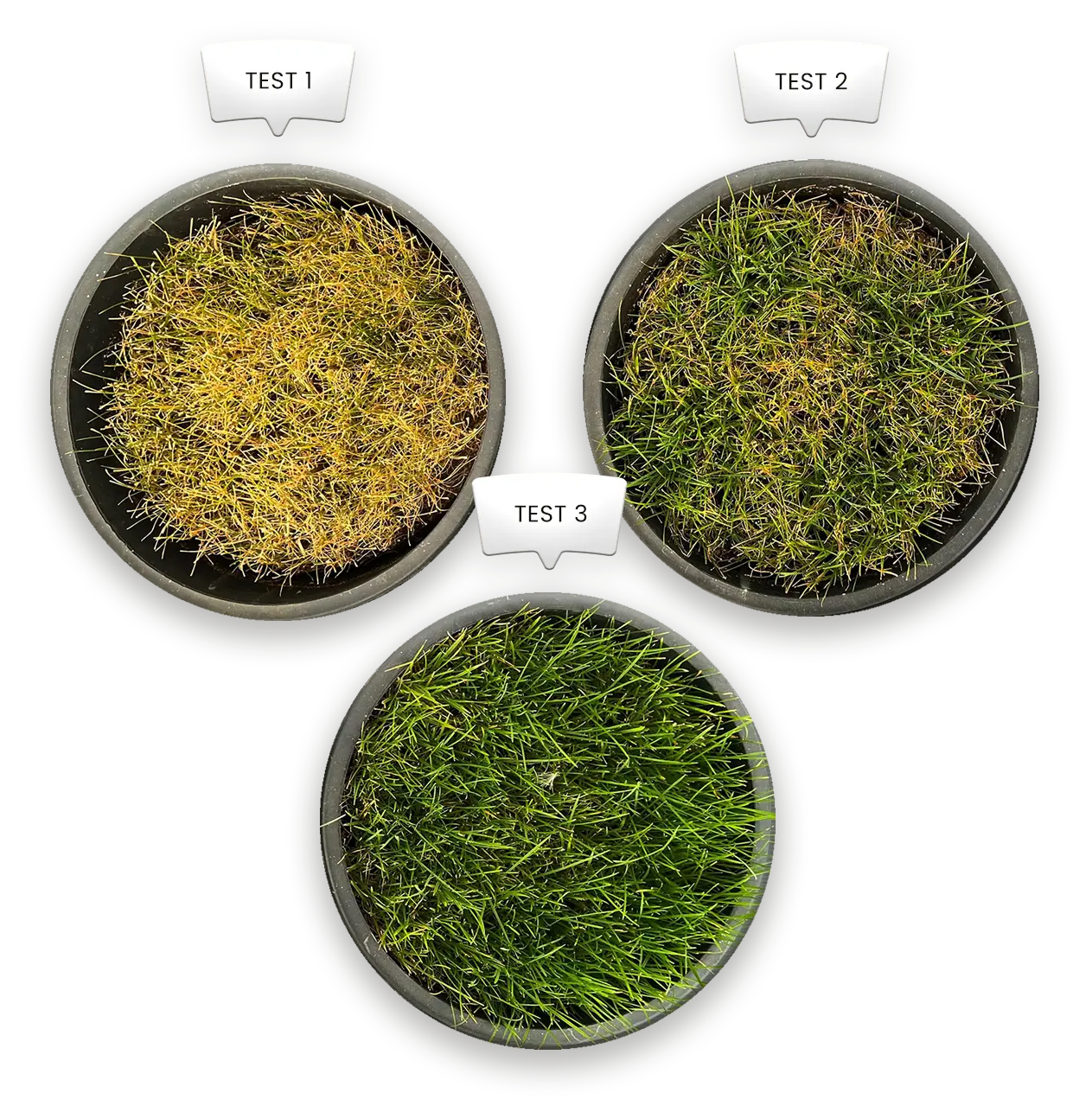
Studies on biostimulants and fertilizers are needed to verify their effectiveness, To identify the best conditions of use and to collect data useful for their technical and commercial development.
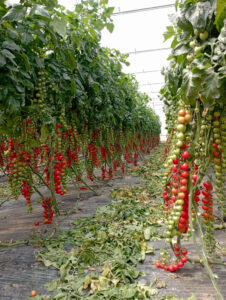
Vegetable crops
We carry out seasonal trials in the field and in greenhouses to assess growth, yield and response to abiotic stresses (drought, salinity, heat).
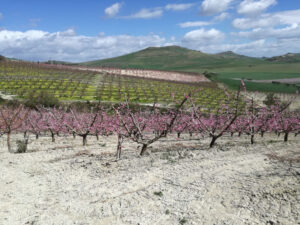
Arboreal cultures
Citrus, vines, olive trees and fruit trees are the main crops. We also test emerging tropical fruits such as avocados and mangoes, with the possibility of testing in pots from the very early stages of transplanting.
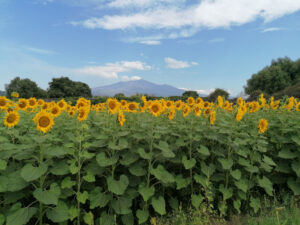
Extensive cultivation
Cereals, potatoes, corn, sunflower seeds, soybeans and beets are sown in larger crop fields thanks to our favorable climate. Potatoes, in particular, allow us to conduct two trials per year.
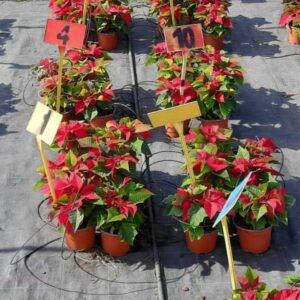
Ornamental
Thanks to our collaboration with specialized nurseries, we conduct studies on a wide range of ornamental species, evaluating growth, uniformity, and resistance to environmental conditions.
SERVICES PLUS: what sets us apart
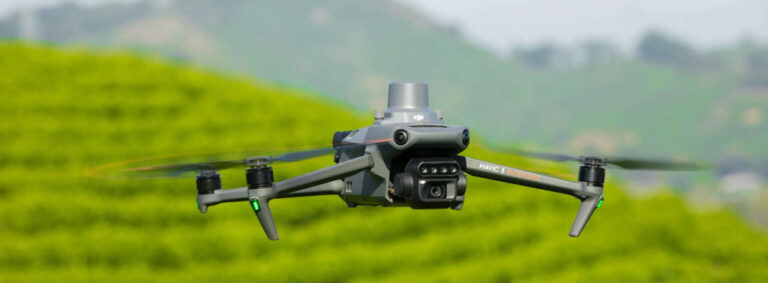
Surveying with drones
An integrated service that we offer for studies on biostimulants. Through the analysis of aerial images We detect parameters such as NDVI, GNDVI, NDRE, LAI, GRVI and other vegetative indices, useful for monitoring crop response in a rapid and non-invasive way.
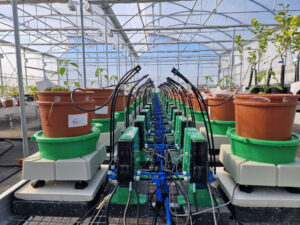
PlantArray®
An advanced phenotyping platform that measures: cplant regrowth (daily biomass); tbreathing and the use of water; coesophageal stenosis (efficiency of gas exchanges); cwater content in the substrate; pEnvironmental parameters such as temperature, humidity, light and pressure.
Screening tests
It all starts here: Rapid and controlled tests
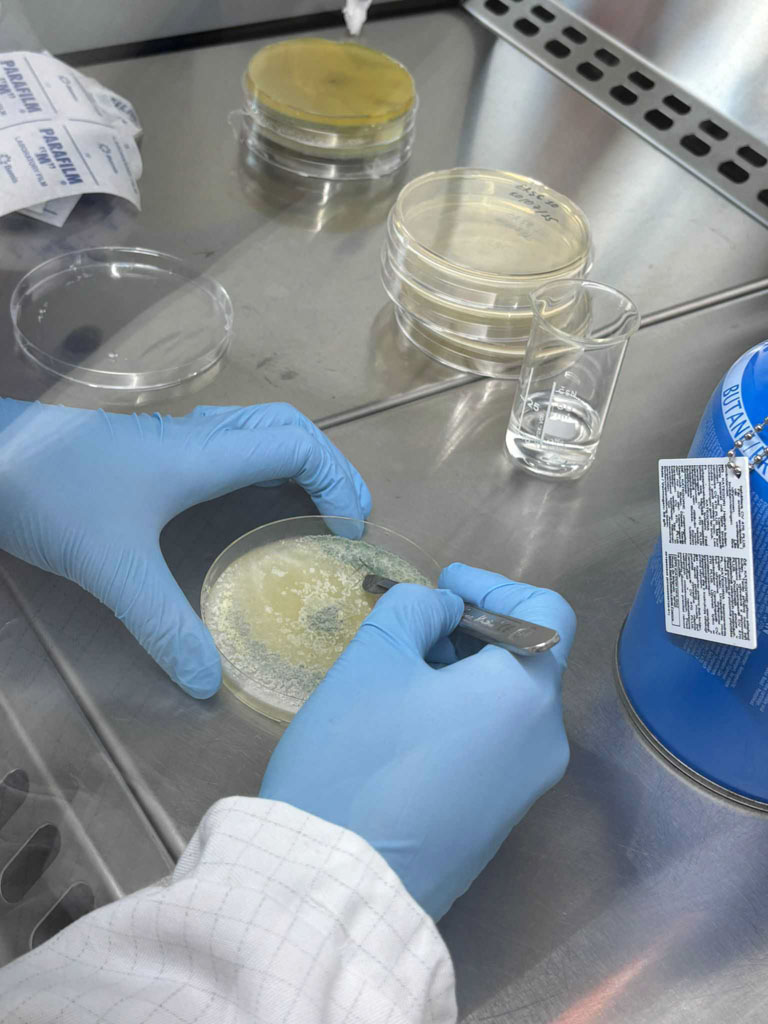
With laboratory screenings we evaluate quickly and in a controlled manner the efficacy and behavior of substances (as active ingredients, repellent/attractant compounds, etc.) before proceeding to field or greenhouse trials.
They are essential for select the most promising formulations, Identify Dosages and any critical issues from the very early stages of development, assess the miscibility with other substances and method of application.
Insect farms
To ensure the constant availability of specific targets for testing under controlled conditions and to provide inocula for efficacy testing, ensuring a homogeneous presence of the target.
Collection of pathogens
Collection and maintenance of fungi and phytopathogenic bacteria for in vitro screening tests, in vivo tests and the production of inocula for efficacy tests.
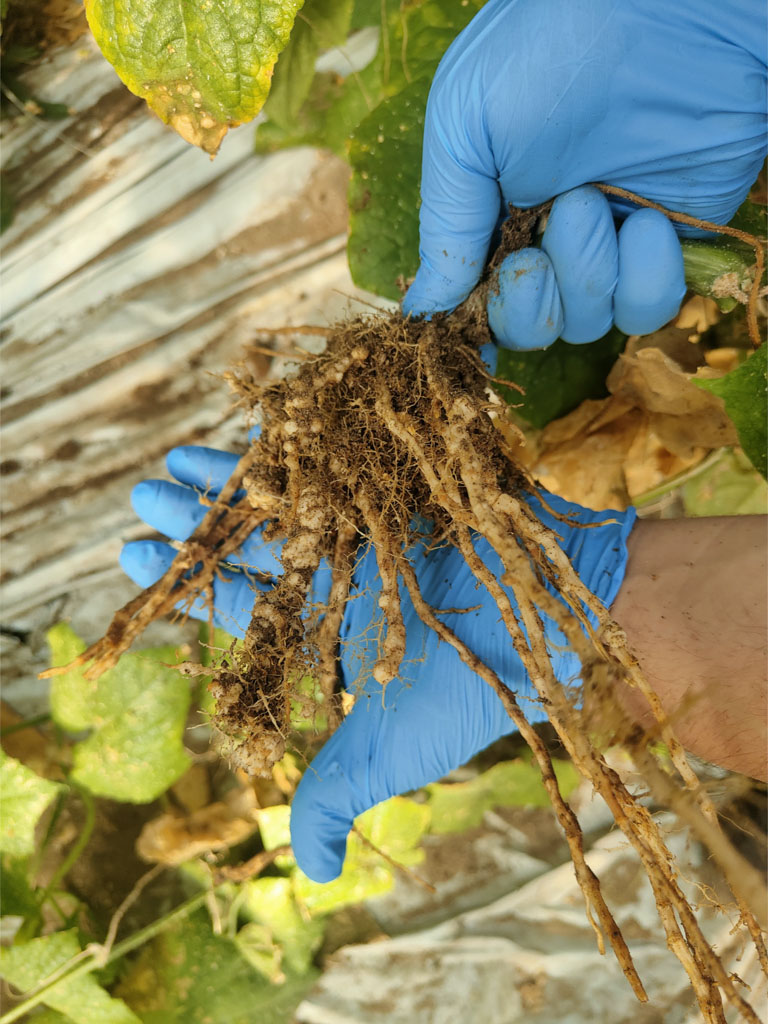
Nematode breeding
To ensure constant availability for in vitro testing, inoculations and screening in vitro.
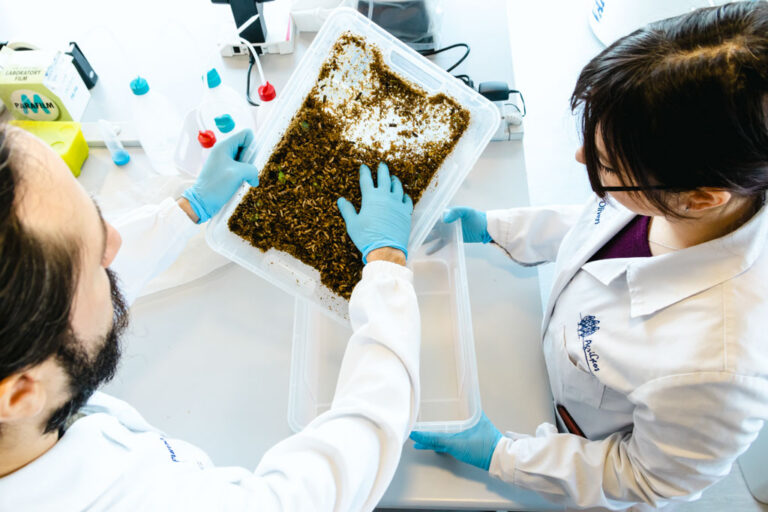
Specific methods applied in screening
Effectiveness tests:
evaluation of a target's sensitivity to a substance, a preliminary step before subsequent tests.
Knock-down test:
measurement of the product’s speed of action on the target insect.
Semi-field:
intermediate evidence between the laboratory and the field, under partially controlled conditions
Persistence:
evaluation of the duration of the protective or active effect.
Mixing test:
evaluation tests of synergy/antagonism between multiple active substances.
Application tests:
identification of the most effective application method (spraying, drip irrigation, drench irrigation, etc.).
Test on the mode of action and kinetics:
evaluation of the behavior of an active substance on the target (contact, ingestion, etc.) and on the plant (e.g., systemically).
Resistance:
analysis of the target's response to repeated exposures to identify resistance phenomena.
Choice test:
evaluation of the olfactory effectiveness of attractant or repellent substances using an olfactometer.
Degradation and leaching tests:
Simulations to verify the product's resistance to rainwater runoff (rain tower) or to UV radiation degradation (UV chamber).
Do you need a customized study?
Tell us about your product: we will work together to design the best protocol to obtain reliable, repeatable data for registration or to request a specific test with insects, pathogens, or nematodes.